Why Your Website Redesign Failed (And How to Fix It in 2026)
You invested thousands of dollars into a shiny new website. The designer promised it would transform your business, boost conversions, and modernize your brand. But six months later, you’re still seeing the same lackluster results—or worse, your traffic has actually declined. Sound familiar?
You’re not alone. According to recent industry research, nearly 70% of website redesigns fail to meet their original business objectives. Many South Florida business owners find themselves stuck with beautiful websites that simply don’t convert visitors into customers. The good news? Understanding why website redesigns fail is the first step toward fixing yours in 2026.
The Most Common Website Redesign Mistakes
Before we dive into solutions, let’s identify what went wrong. Most failed website redesigns share several critical mistakes that derail their effectiveness from day one.
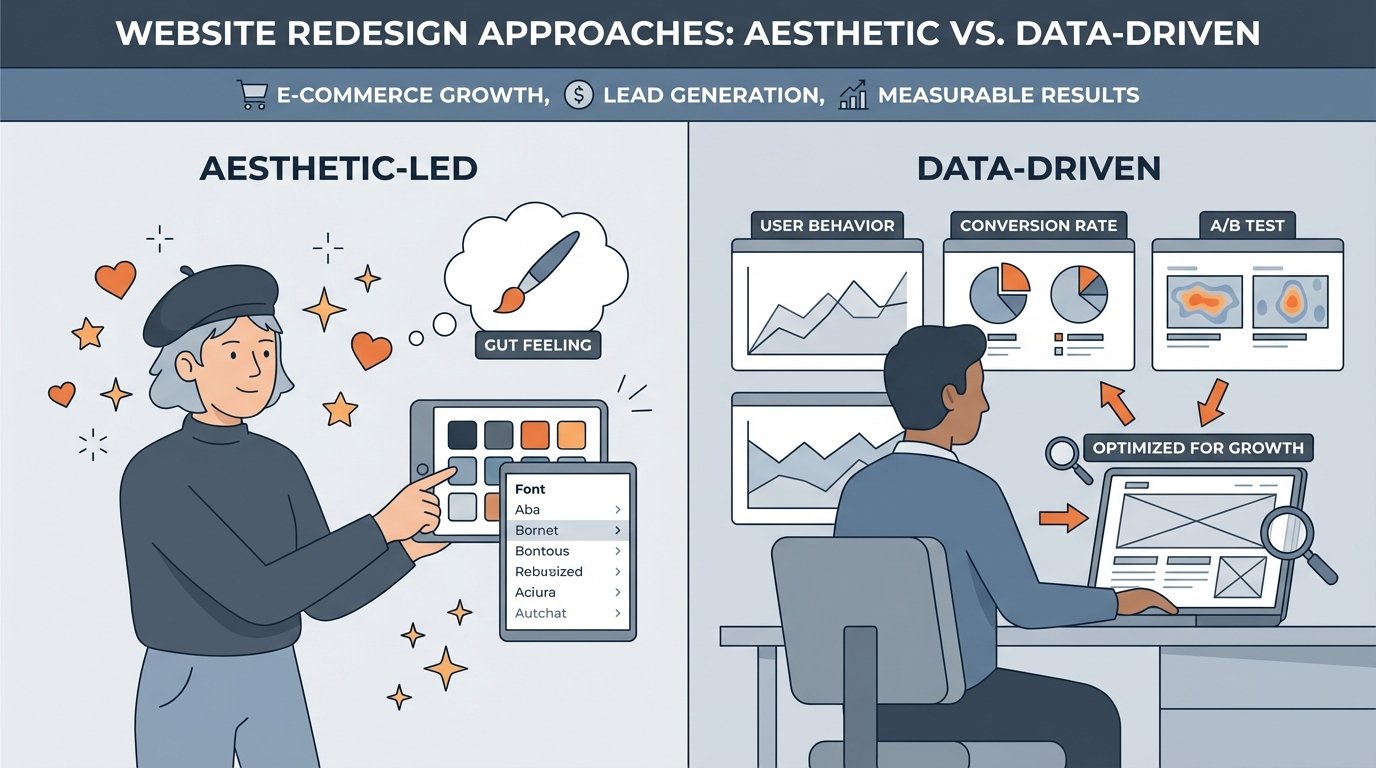
You Redesigned Based on Aesthetics Instead of Data
Here’s a harsh truth: your personal design preferences don’t matter nearly as much as user behavior data. Many business owners approach professional website design like they’re decorating their living room, choosing colors and layouts based purely on what looks good to them.
The problem? Your website exists to serve your customers and drive business results, not to win design awards. If you redesigned without analyzing which pages generated leads, where visitors dropped off, or what content actually converted, you were essentially redesigning blind.
A Miami-based HVAC company learned this lesson the hard way. They spent $8,000 on a modern website design with bold graphics and trendy animations. Unfortunately, they removed their simple “Get a Quote” form from the homepage in favor of a sleek image slider. Their lead generation dropped 43% in the first quarter. When they restored the prominent contact form and streamlined their service pages based on user data, leads rebounded to 28% above original levels.
You Ignored Mobile Users
In 2026, over 65% of web traffic comes from mobile devices, yet countless business website development projects still prioritize the desktop experience. If your redesign looks stunning on a 27-inch monitor but clunky on a smartphone, you’ve alienated the majority of your potential customers.
Mobile optimization isn’t just about responsive design—it’s about understanding how mobile users behave differently. They have shorter attention spans, need faster load times, and require thumb-friendly navigation. Your website redesign services should have addressed these specific mobile user needs, not just scaled down your desktop design.
You Forgot About SEO During the Redesign
This is the most devastating mistake of all. Redesigning your website without a comprehensive SEO migration plan is like renovating your storefront but forgetting to put up a sign. Changing URLs, removing content, or altering site structure without proper redirects and SEO considerations can tank your search rankings overnight.
A Fort Lauderdale retail boutique experienced this firsthand when their new website launched with completely different URLs and no 301 redirects. They lost 60% of their organic search traffic within two weeks. It took four months of intensive SEO recovery work to regain their previous rankings. The lost revenue during that period? Over $40,000.
You Didn’t Clarify Your Value Proposition
A beautiful website means nothing if visitors can’t immediately understand what you do and why they should choose you. Many redesigns focus so heavily on visual appeal that they bury the most important information beneath layers of imagery and vague marketing speak.
Your homepage should answer three questions within five seconds: What do you do? Who do you serve? Why should I care? If your redesign didn’t nail these fundamentals, it failed before it even launched.
How to Fix Your Failed Website Redesign in 2026
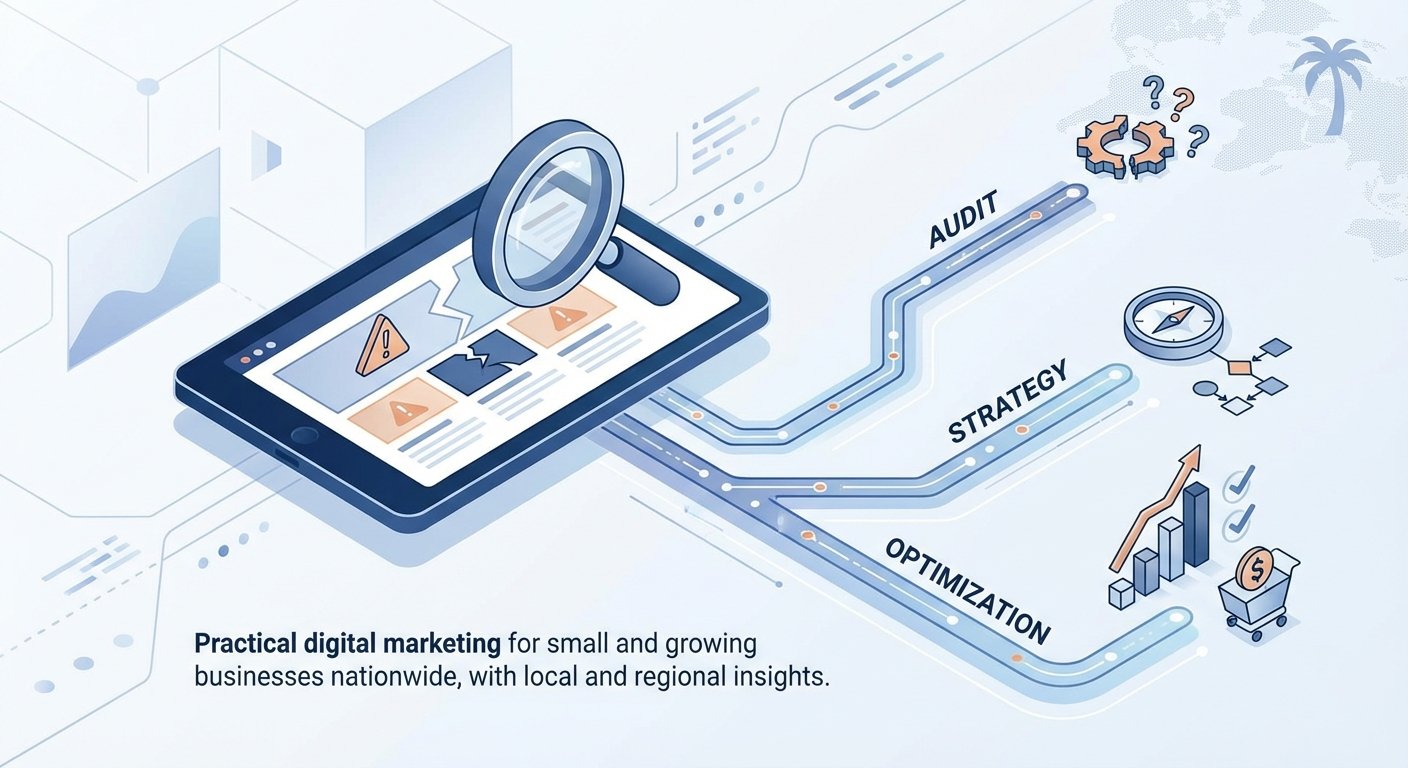
Now that we’ve identified the problems, let’s talk solutions. Fixing a failed website redesign doesn’t necessarily mean starting from scratch. Often, strategic adjustments can transform an underperforming site into a lead-generating machine.
Conduct a Comprehensive Website Audit
Start with data, not assumptions. Use tools like Google Analytics, Hotjar, or Microsoft Clarity to understand exactly how users interact with your current site. Look for:
- Pages with high bounce rates that need better engagement
- Drop-off points in your conversion funnels
- Most-visited pages that aren’t currently optimized for conversions
- Mobile vs. desktop performance differences
- Site speed issues impacting user experience
A Boca Raton dental practice discovered through their audit that 80% of appointment booking attempts were happening on mobile devices, but their form had tiny input fields that were nearly impossible to use on smartphones. One simple fix—enlarging the form fields and simplifying the booking process—increased completed bookings by 156%.
Optimize for Conversion, Not Just Looks
Modern website design in 2026 needs to balance aesthetics with functionality. Every design element should serve a strategic purpose. Apply these conversion-focused improvements:
- Place clear calls-to-action above the fold on every key page
- Simplify navigation to reduce decision fatigue
- Use white space strategically to draw attention to important elements
- Ensure forms are as short as possible while collecting necessary information
- Add trust signals like testimonials, reviews, and certifications near conversion points
Remember, conversion optimization is an ongoing process. A web design agency South Florida business owners trust will implement A/B testing capabilities so you can continuously refine what works best for your specific audience.
Implement Technical SEO Best Practices
If your redesign hurt your search rankings, you need to address technical SEO issues immediately. Work with an experienced web design agency South Florida businesses rely on to:
- Create 301 redirects from old URLs to new ones
- Restore or recreate valuable content that was removed
- Optimize page load speeds (aim for under 2.5 seconds)
- Implement proper heading hierarchies (H1, H2, H3)
- Add descriptive alt text to all images
- Ensure all internal linking is logical and functional
- Submit an updated sitemap to Google Search Console
Don’t underestimate the importance of site speed. Google’s Core Web Vitals are crucial ranking factors in 2026. If your redesigned site loads slower than your old one, you’re fighting an uphill battle for visibility.
Refine Your Messaging and Value Proposition
Schedule a messaging audit with fresh eyes—preferably someone who’s never seen your business before. Can they understand within seconds what you offer and why it matters? If not, it’s time to clarify.
Your homepage headline should clearly state what you do and for whom. Subheadings should explain your unique value. Body copy should address customer pain points and demonstrate how you solve them. This isn’t about being clever—it’s about being crystal clear.
A West Palm Beach consulting firm increased their consultation requests by 89% simply by replacing their vague headline “Transforming Businesses Through Innovation” with the specific “Financial Planning for South Florida Small Businesses—Get Profitable in 90 Days.”
Prioritize Mobile Experience
If mobile users are struggling with your site, make mobile optimization your top priority. Test your entire site on actual mobile devices—not just Chrome’s device emulator. Look for:
- Buttons and links that are too small to tap easily
- Text that’s too small to read without zooming
- Forms that are frustrating to complete on small screens
- Images that don’t load properly or slow down the page
- Pop-ups that can’t be dismissed on mobile
Consider implementing Accelerated Mobile Pages (AMP) for content-heavy pages or Progressive Web App (PWA) functionality for e-commerce sites. These technologies can dramatically improve mobile performance and user experience.
When to Start Over vs. When to Refine
How do you know if your website redesign can be saved or if you need to start fresh? Here are some guidelines:
Refine if: Your site has a solid foundation but needs strategic adjustments, your core structure makes sense, you’re seeing some positive metrics alongside the negative ones, or fixing specific issues would cost less than rebuilding.
Start over if: Your site was built on outdated technology that can’t support modern features, the entire site structure is fundamentally flawed, security vulnerabilities put your business at risk, or the cost to fix exceeds the cost to rebuild properly.
Most failed redesigns fall into the “refine” category. With the right expertise and strategic approach, you can transform an underperforming site without the expense and disruption of starting completely over.
Choosing the Right Partner for Your Website Fix
Whether you’re refining your current site or starting fresh, choosing the right website redesign services partner is crucial. Here’s what to look for in 2026:
- Proven experience with business website development in your industry
- Case studies demonstrating measurable business results, not just pretty portfolios
- Clear processes for data analysis and conversion optimization
- Technical SEO expertise to protect and improve your search visibility
- Ongoing support and optimization, not just a one-time project
- Understanding of South Florida markets and local business challenges
The right partner won’t just design a website—they’ll build a strategic tool for business growth. They’ll ask tough questions about your business goals, analyze your data, understand your customers, and create solutions tailored to your specific needs.
Moving Forward with Confidence
A failed website redesign feels frustrating and expensive, but it doesn’t have to be permanent. With the right diagnosis and strategic fixes, your website can become the lead-generating asset you originally envisioned.
The key is approaching your website as a business tool first and a design project second. Every decision should be guided by data, informed by user behavior, and measured against business objectives. Beautiful design matters, but only when it serves the ultimate goal of converting visitors into customers.
Don’t let past disappointment hold your business back. In 2026, your website is often the first—and sometimes only—impression potential customers have of your business. It needs to work hard for you, delivering measurable results and supporting your growth.
If you’re ready to transform your underperforming website into a powerful business tool, UltraWeb Marketing specializes in helping South Florida businesses fix failed redesigns and create websites that actually drive results. We combine modern website design with data-driven strategy, technical SEO expertise, and a deep understanding of what makes South Florida businesses succeed. Contact us today for a free website assessment and discover how we can turn your website from a disappointment into your most valuable marketing asset.
Frequently Asked Questions
How long does it take to fix a failed website redesign?
The timeline depends on the extent of the issues. Minor fixes like improving mobile responsiveness or adding conversion elements can take 2-4 weeks. More comprehensive fixes addressing technical SEO problems, restructuring navigation, or rebuilding key pages typically require 6-12 weeks. A complete redesign usually takes 3-4 months from planning to launch.
Can I fix my website myself or do I need professional help?
Simple improvements like updating content, adding clearer calls-to-action, or adjusting form fields can be done yourself if you have basic website management skills. However, technical issues like SEO migration problems, site speed optimization, or structural redesigns typically require professional expertise. Attempting complex fixes without proper knowledge can make problems worse and cost more to fix later.
How much does it cost to fix a failed website redesign in 2026?
Costs vary widely based on what needs fixing. Minor refinements might cost $1,500-$3,000, while comprehensive fixes addressing multiple issues typically range from $5,000-$15,000. Complete redesigns start around $10,000 and can exceed $30,000 for complex e-commerce or custom functionality. The investment should be measured against the cost of continuing to lose customers and revenue with an underperforming site.
Will fixing my website hurt my search rankings further?
Not if done correctly. Proper fixes should improve your rankings, not hurt them. The key is implementing changes strategically with proper 301 redirects, maintaining your site structure where possible, and following SEO best practices. Working with an experienced web design agency ensures that improvements enhance rather than damage your search visibility.
How do I know if my website redesign actually failed or just needs time?
Give a new redesign 30-60 days to stabilize, but watch for red flags: significant drops in traffic (more than 20%), decreased conversion rates, increased bounce rates (especially on mobile), or negative user feedback. Compare metrics to your pre-redesign baseline. If key performance indicators are declining after two months, you have a problem that won’t fix itself with time.